
Install wireless smart building automation across 30 floors in one day. You get instant data, fewer site visits, smooth tenant comfort, and lower operating costs.
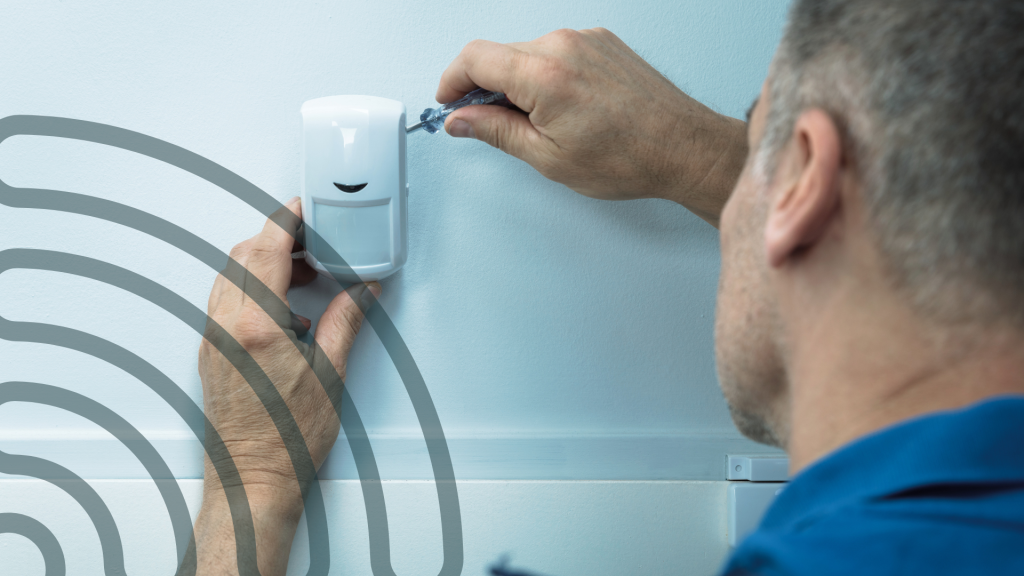
Managing multiple commercial buildings is a constant balancing act. You field tenant concerns, address maintenance issues, keep an eye on equipment performance, and work to control operating costs. While the idea of upgrading to smart building automation may seem complex or disruptive, it is easier than you might expect.
For example: Wireless sensor deployment in a large office tower is possible within a single day. Insights start flowing right away. From day one, the way you manage your building shifts.
How Smart Building Automation Installation Can Be Done in a Day
Traditional wired deployments for smart building automation take time because trades need to run conduit, pull cable, and work around occupied floors. Wireless eliminates those steps.
Cirkuit uses LoRaWAN, a low-power wireless protocol that covers an entire building. Gateways are typically installed every three floors in concrete buildings or every five in wood-frame construction. After a gateway is set up, unlimited sensors connect without extra hardwiring or specialized technicians.
Each sensor takes only a few minutes to install. A small team can cover all 30 floors in one workday. Wireless systems can cost up to 50% less to install compared to wired options because labour time drops and there is no need to run cable through finished spaces.
If your building already has automation, it remains in place. Cirkuit’s wireless network operates separately, providing new data streams alongside your existing BAS without changing your infrastructure.
Immediate Access to Operational Insights with Smart Building Automation
Once sensors are connected, data becomes available on a cloud dashboard. Access leak alerts, temperature and air quality data, occupancy levels, and energy readings on any device, from anywhere.
Currently, much of building management is reactive. Equipment fails, tenants report issues, and then the team responds. With real-time monitoring through smart building automation, you often learn of an issue before it affects tenants.
IoT sensors in commercial buildings have been shown to prevent 70 to 85% of unexpected downtime. Buildings over 200,000 square feet may see annual savings between $150,000 and $300,000. Even a single day of HVAC outage in a building this size can lead to $15,000 to $40,000 in lost productivity and emergency repairs.
Dashboards also help reduce the need for routine site visits. Power meter sensors enable remote equipment monitoring, so a quick glance at your phone is often all that is needed. This approach frees up significant time when managing multiple properties.
Minimizing Tenant Disruption
For property managers, tenant disruption is a top concern during any upgrade to smart building automation. People do not want noise, dust, or contractors moving through their space for long periods.
Wireless sensors can be installed quickly and quietly. Devices are attached without drilling or damaging walls. A full retrofit typically completes within a day, often unnoticed by tenants.
If a tenant reconfigures their suite, sensors are easy to move. There is no cable to reroute or complex logistics. Move the sensor to its new spot and continue monitoring uninterrupted.
The sensors operate unobtrusively. Water leak sensors provide continuous monitoring in key areas, sending alerts only when intervention is needed. This reduces the volume of tenant calls and improves building management for everyone.
Property Management and Insurance Considerations
Continuous monitoring enhances risk management. Integrating smart building automation for early detection of issues, such as a water leak overnight, allows for immediate action and prevents wider damage come morning. These proactive responses have a tangible impact on operating budgets.
For example, a 28-storey office building used real-time water leak and temperature alerts to reduce its insurance deductible by $150,000. Installation took just a day or two and the improved claims record provided leverage with the insurer.
Insurance companies are focusing on this. Buildings with reliable monitoring systems are considered lower risk, resulting in potential premium reductions and deductible discounts. That same 28-story building (Cirkuit case study) showed one monitored office prevented $2.2 million in damages and received a $150,000 deductible reduction with a three-month payback.
Quicker responses also reduce the cost of repairs. A retail client noticed a mechanical room temperature alert at 3°C and dropping. The problem was a failed heater and snow coming in. Restoring heat cost less than $2,000, but the damage avoided was much greater.
Scaling Your Portfolio with Smart Building Automation
Smart building automation shifts the economics of property management. Adding more buildings typically means extra staff and more site visits. Smart systems offer a different approach.
Centralized remote monitoring streamlines management. More than half of property managers report lower operating costs after implementing smart systems, with approximately 15 hours per week saved due to automation of routine tasks.
When your dashboard displays the status of every property, you can manage more sites without increasing your team size. Routine checks are automated and alerts come to you as needed. Staff focus on issues that require a personal touch, not routine inspections that usually reveal nothing.
Each property has different needs and requirements. The Cirkuit system is fully customizable to give property owners and managers the data they need to run operations effectively.
Transforming Your Building in Just One Day
The threshold to adopt smart building automation is lower than many expect. There is no need to replace current systems or undertake lengthy renovations. Most buildings see no tenant disruption at all.
All that is required is a day, a small installation crew, and a focus on priority areas for risk. Data begins streaming right away, enabling more informed and efficient decision making.If you oversee a commercial tower and want to know how a one-day deployment could work for your building, reach out to the Cirkuit team. They can demonstrate a solution designed specifically for your management needs and building profile.